Moving from a covenant at home to a covenant abroad – the fourth in my five essays on the politics of belonging
Interested? Subscribe to my Substack (here) and read these essays first and for free.
What is our role in newly volatile world? Russia’s war on Ukraine and China’s growing power represent the most obvious concerns, but the foreign policy of the Trump administration has also thrown our foreign policy equation out of balance. It remains to be seen how this will develop, but we shouldn’t make any lazy assumptions that the world will ever go back to the old ways.
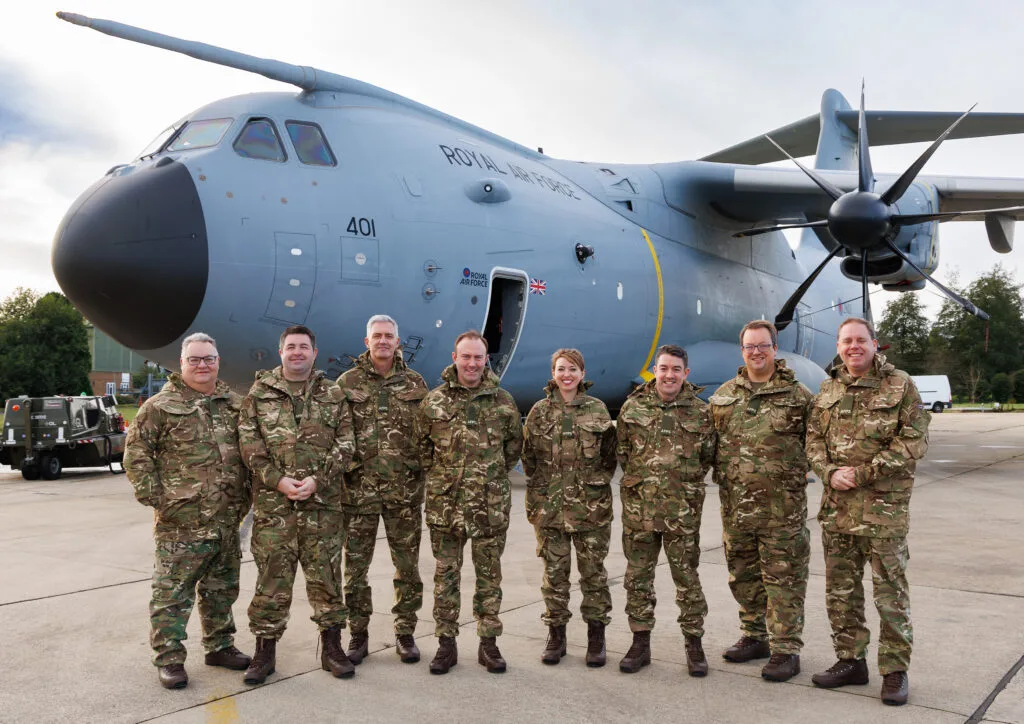
At home the post-Cold War ‘peace dividend’ is now over, and our Labour government is working through the consequences of the complacency of previous Conservative governments. The case for urgent reinvestment in defence is clear. And it’s not just a matter of what, but a matter of how.
Defence reinvestment requires more soldiers and more and better hardware – but we also need to rebuild our domestic defence supply chain and manufacturing capability. The strategic case is obvious: a nation that cannot manufacture its own weapons, components, and critical equipment is dependent on supply chains that can be disrupted, priced, or sanctioned by others. Ukraine has had to learn this lesson.
Beyond supply chains, resilience requires energy and food security. NATO believes that there may be a Russian attack on a member state by 2030. Right now, UK agriculture provides for just 60% of UK food consumption, and our farming sector lacks financial resilience, being highly exposed to international supply chains for energy and fertiliser – something I spoke about in Parliament recently.
But we can’t progress without bringing the country along with us. This is exactly why we need the framing of our covenantal responsibilities, a rebuilding of sovereign capacities so that the state can fulfil its most basic duty of care to its citizens – defence and security. Political leaders need to make a case that is more than merely pragmatic – it should be about covenant, who we are and our place in the international community.
We should extend the self-same principles which undergird the idea of covenant to the international scene. Internationalism, not globalisation, is the expression of the solidarities we have with nations of shared values. Our response to Russia’s invasion of Ukraine has shown what covenant looks like on the international stage: concrete collaboration in hardware, in training, and in making the case for the legitimacy of their fight. Ultimately, it’s not just that it’s in our self-interest, it’s that we believe in the freedom of Ukrainians too.
We should restore our commitment to allocate 0.7% of GNI to development assistance, with a focus on long-term capacity building: vocational education, democratic infrastructure, renewable energy, delivered with local actors rather than imposed by consultants.
Climate change too should be seen as a covenant question before it is a technical one. Our failures of stewardship pass environmental costs to people who did not choose them and cannot yet consent to them – the next generation, and the poorest nations least responsible for what is happening.
Together these aspects of our foreign policy – defence, diplomacy, development, climate – are not separate policy compartments but expressions of the moral component of our power: the exercise of influence through service, and the recognition of our common humanity.
Our response to Russia’s invasion of Ukraine has shown what covenant looks like on the international stage: concrete collaboration in hardware, in training, and in making the case for the legitimacy of their fight.
-David Smith
MP for North Northumberland